Whether you’re just starting out with email marketing or you already have some experience sending marketing emails, you’ve probably wondered about the types of email communication you should send to your customers.
Should you nurture your subscribers with weekly newsletters? Are dedicated emails better at optimizing your sales and marketing goals? Should you send emails with highlights of news and your best content from the past month or quarter? These are all valid questions that a small business should consider when selecting the right format to meet their marketing goals.

If you decide to use a newsletter strategy you must decide on what your trying to achieve. Are you trying to nurture you current clients and contacts so they think of your brand first when they need the product or service in your industry? Or is your goal to attract new contacts through social sharing?
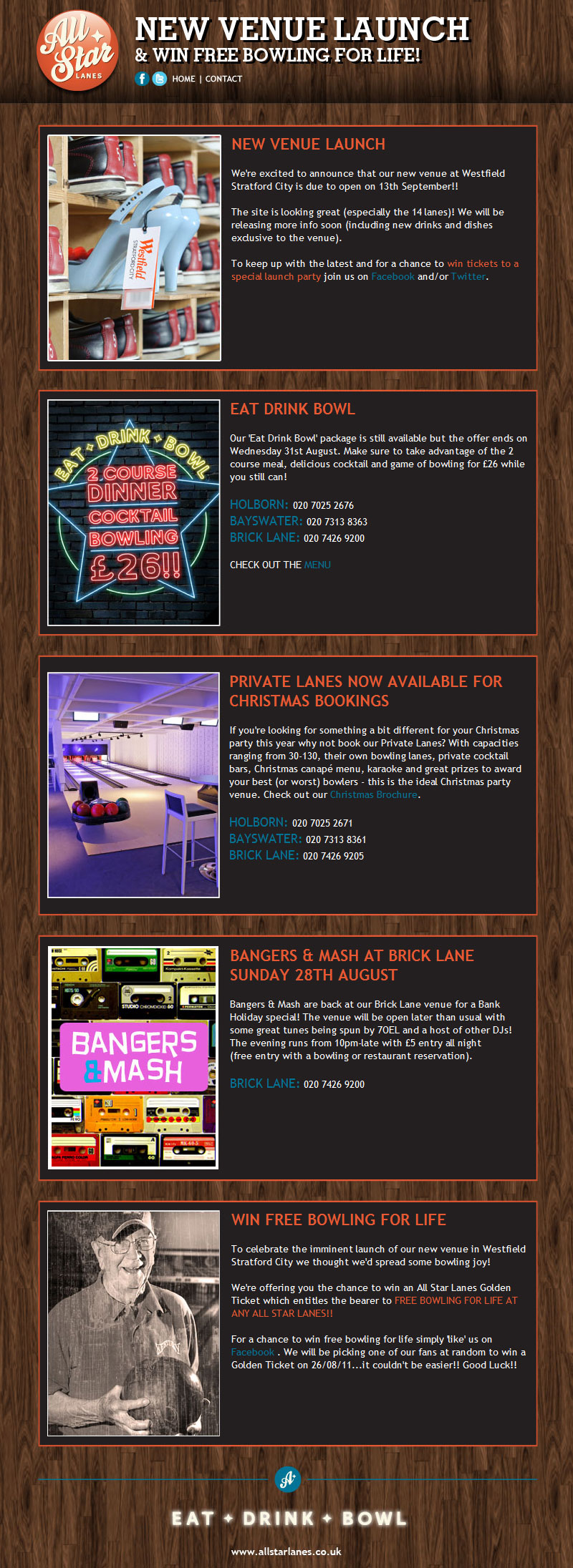
 Email newsletters have two key advantages. First, they can spread your brand awareness. By building continual communication with your email subscribers, you enable them to recognize your brand and keep them aware of your products and services. Second, email newsletters give you the freedom to include different types of content that might be important to your organization while leveraging content you have already created. For instance, a newsletter can contain a popular blog post, a new offer, highlight products, an announcement of an upcoming event, information about a discount, or a company video on Youtube.
There are some disadvantages to using an email newsletter. First, they dilute the main call-to-action. If you include a series of blurbs or article summaries, the attention of your recipients will most likely be spread across these tidbits of information as opposed to staying focused on a certain element. Second, the design of a newsletter becomes much more time consuming as you’ll have to spend some time deciding on the right placement of images and text, alignment, and prioritization of information.

 A digest is similar to newsletters, it provides a summary of existing information and offers a snapshot of a specific time frame (the time span of a week or a month). Traditionally, digests highlight the most popular pieces of content that new readers will gravitate towards. Companies that have a very active blog use this strategy to bring repeat traffic to their site.
A digest really only works if you are creating a substantial amount of content for users. Some businesses purchase relevant content from companies that churn out articles and use the articles to post on blogs and for use in digest emails. While this can be a useful strategy, quality tends to be lower, which for some customers can be a turn off.
If you were a small bookstore and did a lot of reviews, you might set up a digest email where your customers could select to receive only emails that highlight reviews on murder mysteries. If you don’t create a lot of content on your website, it might be more beneficial to go with a newsletter style email.

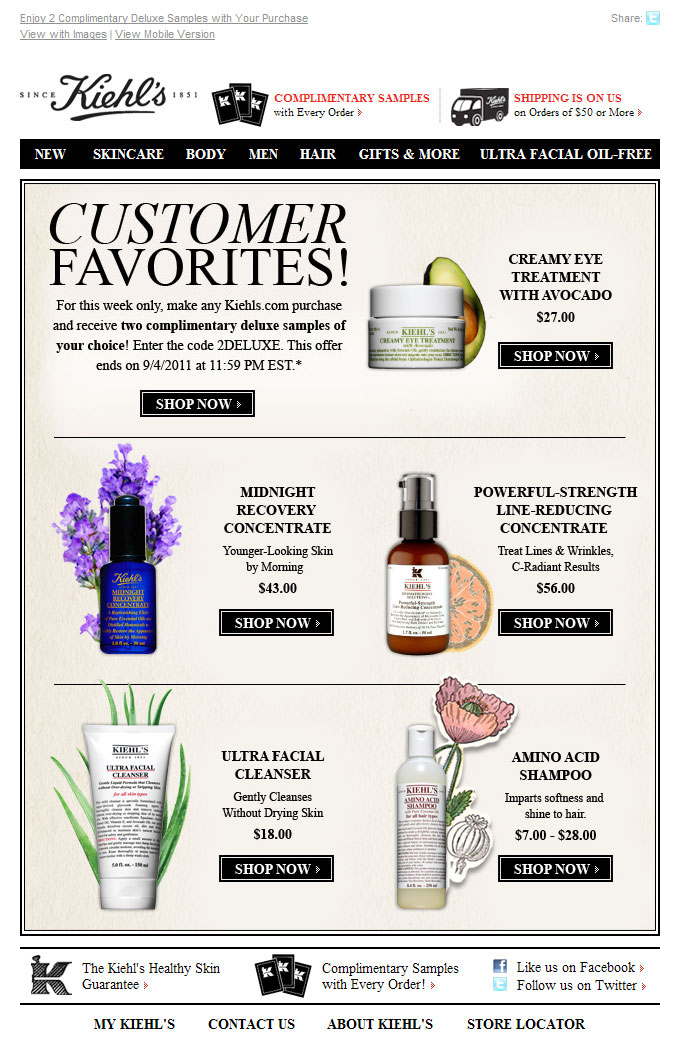
Dedicated emails, also known as stand-alone emails, contain information about just one offer. For instance, you can use a dedicated email to notify your target audience about a new service or a sale that your business is having. Personally, I always look forward to receiving Eurostar’s dedicated email.
 Dedicated emails have three main advantages. First, they help you set up the context to introduce a main call-to-action and focus on that one offer. Second, creating a dedicated email tends to be easier than creating a newsletter email. Unlike newsletters, stand alone emails don’t need to include multiple graphics to separate the different blocks of text and prioritize information. Third, they are easier to measure. When you promote one main message and call-to-action, you can track the results of the email with greater accuracy as the message will be focused on one call-to action.
Dedicated email also have some disadvantages. First, with stand alone emails, the emailing schedule is less clear and potentially less consistent. You might use dedicated emails when you have published a new offer (and for a small business, this tends to be sporadic). Even if you decide to maintain a specific schedule, your subscribers might not realize it or expect communication from you because there is no clear connection between the separate emails. Second, it’s tough to include diverse content in a dedicated email, so you cannot add other calls-to-action that might also be important to your organization.
The important point to remember is that whichever format you choose, you want to create engaging content for your consumers. Make sure that you understand your email list and what they are looking for. If you don’t take the time to deliver an email that connects with your customers, those emails will end up in the spam filter.